
The choice of the right Hybrid inverter is an important step when switching to renewable energy. Modern hybrid inverters are capable of managing solar energy, battery storage, and the grid; thereby offering many advantages such as flexibility, efficiency, and stability for home and business use. Take note of the following tips that can help you learn about the features and benefits of a hybrid inverter and how to decide if a hybrid inverter is right for you.
What Is a Hybrid Inverter?
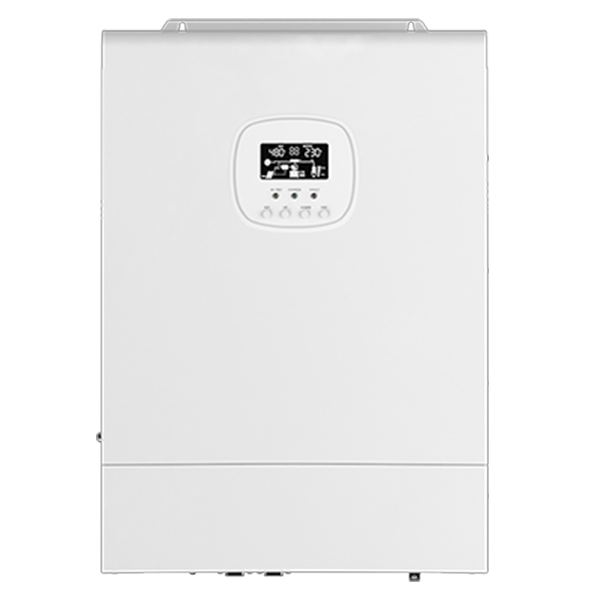
The hybrid inverter works by combining and controlling different energy sources. This type of inverter converts direct current (DC) from solar energy into usable alternating current (AC), allows for battery charging and discharging. It can collect energy from the grid or send electricity to it as required. Hybrid inverters differ from traditional inverters because they can switch between different sources of power and ensure maximum use of energy with backup power.
Key Features to Look For
Modern Solar hybrid inverters come with a range of features. The most important include:
Multi-Source Integration: Efficiently manages solar, battery, and grid inputs, ensuring ongoing power in all situations.
Battery Compatibility: Supports different battery chemistries and capacities, with flexible charging and backup options.
Smart Monitoring: Provides real-time data on generation, consumption, and battery status through apps or web portals.
High Efficiency: Seek inverters that feature high conversion rates and the latest in MPPT technology.
Safety Protections: Top models feature safeguards against over-voltage, overheating, and power surges.
Benefits of a Hybrid Inverter
Investing in a hybrid inverter brings several advantages:
Energy Independence: You can generate, use, and store your own power, reducing dependence on the grid and utility bills.
Resilience: Hybrid inverters act as a backup during power failures by switching seamlessly to battery power for essential devices.
Maximized Solar Usage: Capture surplus solar energy so it can be utilized on cloudy days and at nighttime. This enhances the solar ROI and sustainability.
Cost Savings: You have the opportunity to either save money on energy bills or even get profit by using stored energy in peak hour rates and selling any excess to the grid (where allowed).
Lower Carbon Footprint: When you choose clean and renewable sources of energy, you will be contributing to environmental preservation and promoting the green grid.
Smart Energy Management: Real-time monitoring allows you to monitor your usage and improve the consumption profile of your home or business.
How to Choose the Right Hybrid Inverter
Consider the following when selecting your hybrid inverter:
System Size: It is important to select an inverter that meets your energy requirements. Typical sizes of home inverter may fall between 5KW and 10KW (e.g., a 10KW Hybrid inverter), while commercial installations may have larger capacity.
Battery Support: Check if your battery technology is compatible and whether it can expand with any new requirements.
Efficiency and Reliability: Choose high-efficiency rated units with proper safety certification to guarantee maximum performance and compliance with standards.
Monitoring and Connectivity: Real time data, remote diagnosis and user-friendly interfaces can improve system management tremendously.
Brand and Warranty: Choose reputable brands offering generous warranties and solid after-sales support.
Applications: Residential and Commercial Hybrid Inverters
Hybrid inverters are applicable in homes and businesses. Households enjoy emergency power sources even when there’s an outage, and they can benefit from their solar system by saving electricity generated during the day for use during the night. High-capacity units (15KW and above) are also popular in commercial use as they help save money, provide reliability, and make it possible to monitor operating expenses efficiently.
They are also perfect for remote or weak-grid locations. Hybrid sun inverters ensure a reliable power supply where the grid is dysfunctional, improving efficiency and reducing dependency on cost-prohibitive diesel generators.
Frequently Asked Questions (FAQ)
Can a hybrid inverter work without a battery connected?
Yes, most models run on solar and grid alone, but you lose backup and storage benefits. The battery enables outage protection and nighttime solar use.
Can I add a battery to my hybrid inverter later?
Often yes, if the inverter supports the battery chemistry and has spare capacity. Check expansion limits and compatibility before buying.
How long does a hybrid inverter typically last?
Most quality units last about 10–15 years, depending on temperature, load, and maintenance. Warranties usually range from 5 to 12 years.
The Future of Hybrid Inverter Technology
The advancements in hybrid inverter technology continues. Newer versions promise better integration with smart grids, electric vehicle chargers, and home automation systems. It is expected that higher efficiency, state-of-the-art remote diagnostics, and enhanced compatibility of inverters with the latest storage and renewable technologies will be seen.
A hybrid inverter is a reliable and forward-looking solution for anyone who wants to maximize their utilization of renewable energy. By understanding the importance of hybrid inverters, it will be easy for you to get more value from your energy system.
Post time: Oct-29-2026