
The need for greater energy independence and efficiency is driving more homeowners to choose lithium batteries over any other option for home energy storage. The technology is paving the way for advances in solar power storage as well as other areas like power outages and energy consumption in the home. In this article, we look at the main features of lithium batteries for home energy use including size, safety features, installation requirements, and common questions.
What Makes Lithium Battery Technology Ideal for Home Energy Storage?
Lithium batteries There are many advantages to lithium batteries concerning high energy density, low weight, efficiency, and long duration of life. Lithium batteries differ from lead-acid batteries in that they charge faster, can be discharged more deeply, and can undergo several cycles with insignificant loss in operational properties. From small scale applications that require a compact lithium battery 3v to larger systems for home usage, lithium technology has a huge variety of applications.
How to Size Energy Storage Lithium Battery for Your Home
Correct battery sizing is key for effective home energy storage. Start by analyzing your kWh consumption from your utility bill. Then define your goal—emergency backup, load shifting, or off-grid living. If combining renewables, consider your solar output.
Choose a battery with capacity above your daily consumption to handle high-demand, low-sun days. For example, a 10 kWh lithium battery suits 8 kWh daily use, leaving enough margin without overspending. Expert installers or calculator tools can recommend suitable options for your situation.
Understanding Cycle Life and Depth of Discharge
Cycle life indicates how many cycles a lithium battery can undergo and still retain a meaningful capacity. Depth of discharge (DoD) refers to the percentage of utilized capacity during each cycle. With premium lithium batteries, you can expect a cycle life of over 5,000 at 80%–90% DoD; which translates to years of dependable operation at home if used and cared for properly.
To maximize the lifespan of your battery, do not regularly perform deep discharges that lower your battery’s state of discharge (DoD) beneath the level recommended by the manufacturer. Both these specifications are important for understanding warranty conditions, thereby allowing the buyer to invest wisely in the long run.
Essential Safety Features: BMS, Thermal Management, and Certification
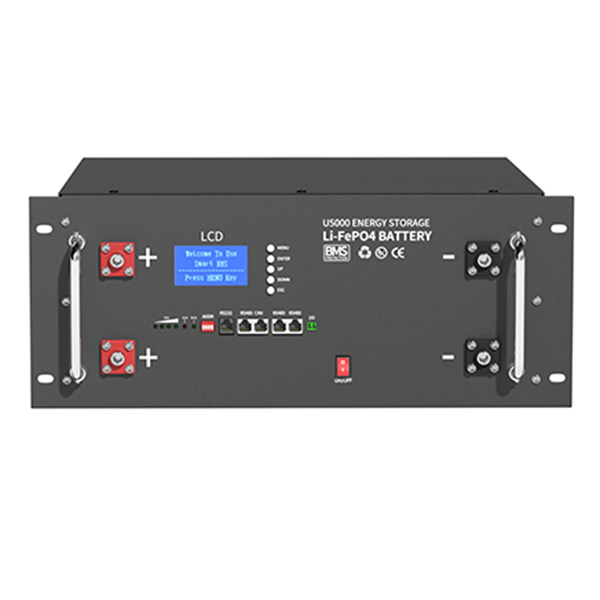
Lithium batteries for home energy storage are designed to be very safe. A Battery Management System (BMS) monitors voltage, current and temperature to prevent issues like overheating and overcharging. Many systems also include thermal management to ensure safe operation across temperature conditions.
Choose batteries certified by UL, CE or IEC. These certifications confirm compliance with strict performance and safety standards, keeping you and your property secure. You can trust lithium batteries for both emergency and daily use.
Installation and Maintenance Tips
To ensure that your lithium battery operates safely and efficiently, have the unit installed by professionals in a location where it is dry and temperature stable, such as a garage or mechanical room. Professionals make sure that the battery is connected properly to the inverter and home circuits which have been synchronized with the source of your solar energy or the grid.
Current upkeep is straightforward: periodically monitor battery conditions by using manufacturer-provided applications or displays, look for any physical damage, and perform periodic checkups where necessary. Lithium batteries need less upkeep than conventional options due to advanced management capabilities.
Integrating Lithium Batteries with Solar and Smart Home Systems
Lithium batteries for home energy storage are the right match for solar energy systems, holding extra solar energy which can be used during night time or outages. The integration is an easy process – most battery systems can even charge electric cars and work with smart home systems. Thus, you can control energy flows automatically, save money, and check their operation.
Frequently Asked Questions
How do I size the right battery for my home?
Evaluate your daily energy use and objectives (redundancy, grid independence, peak shaving). Size your storage system based on the minimum needed for reliable everyday use.
What affects lithium battery lifespan?
Important aspects consist of cycle life, depth of discharge, and keeping the suggested temperature during operation. Good quality batteries can have a lifespan longer than ten years if handled correctly.
How safe are home energy storage lithium batteries?
Exceedingly safe as long as they are equipped with BMS, thermal control, and all necessary certificates. Installing the system by specialists ensures extra safety.
What are the main benefits over lead-acid batteries?
Lithium-powered batteries have lightness, longer life, increased usable capacity, and reduced maintenance cost.
Emerging Trends in Home Energy Storage
Lithium-ion batteries currently lead the market, but advances such as lithium iron phosphate (LiFePO4) and solid-state batteries are driving safer, longer-lasting and more environmentally friendly home storage solutions. Progress in solar integration, EV development and smart grid technology is also accelerating.
Lithium batteries for home energy storage are seen as an effective, safe and durable choice for today’s households. Understanding sizing, safety and compatibility helps you confidently choose a battery system that meets your future needs as technology evolves. With professional installation and minimal maintenance, investing in lithium batteries will support sustainable energy at home in both the near and long term.
Post time: Oct-24-2026