
Charging pile technology is rapidly transforming the landscape of electric vehicle infrastructure. As EV adoption accelerates worldwide, understanding the differences between AC charging pile and DC charging pile solutions is essential for drivers, business owners, and facility managers. In this concise guide, you’ll learn what sets each type apart, their ideal use cases, and how to choose the right option for your needs.
What Is a Charging Pile?
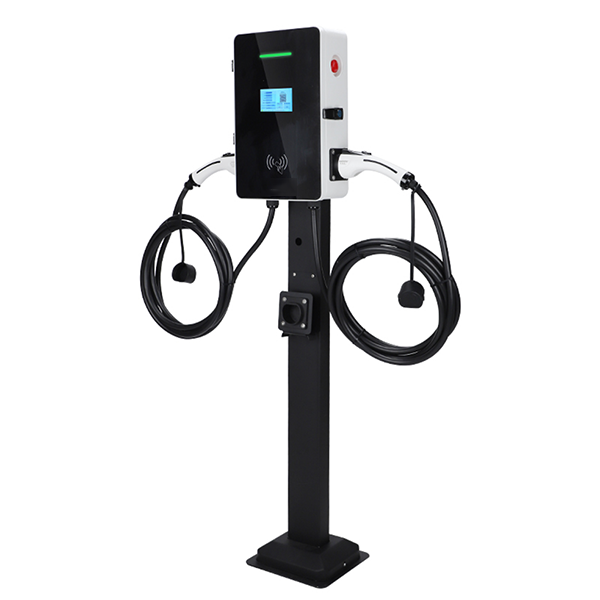
A charging pile provides dedicated electric energy to recharge battery-powered vehicles. Unlike fuel pumps, charging piles safely transmit electricity, and are primarily classified as AC (Alternating Current) or DC (Direct Current) piles. This categorization significantly affects charging speed, convenience, and installation requirements. As more homeowners, businesses, and municipalities invest in electric vehicle charging pile infrastructure, knowing which type to deploy is crucial.
AC Charging Piles: Features and Ideal Applications
| Feature | AC Charging Pile |
|---|---|
| Power Output | Typically 3.7kW to 22kW (Level 1 and Level 2 options) |
| Charging Speed | Slower charging (hours to full charge; best for overnight or extended parking) |
| Installation Requirements | Relatively simple, runs on standard electrical circuits, lower cost to install |
| Cost | Lower initial cost and ongoing maintenance |
| Compatibility | Works with almost all electric vehicles, as most use onboard AC to DC converters |
| Ideal Locations | Homes, workplaces, hotels, shopping centers, public parks—anywhere vehicles will be parked for several hours |
| Best Use Cases | Residential daily charging, employee and visitor parking, destination charging where time is not a critical factor |
AC piles are cost-effective, easy to set up, and provide reliable day-to-day charging for the majority of EV drivers, making them the backbone of urban and suburban charging infrastructure.
DC Charging Piles: Features and Use Cases
DC charging piles offer fast charging by converting grid AC power into DC and delivering it directly to the EV battery, bypassing the onboard charger. With power outputs often ranging from 25kW to 350kW, these piles can replenish most EV batteries to 80% in under an hour.
You’ll find DC charging piles at highway rest stops, fleet depots, and high-traffic urban locations—anywhere quick turnarounds are vital. While requiring a higher upfront investment and more advanced electrical installation, DC charging piles are an essential component for commercial fleet operators, public charging networks, or long-distance drivers who need minimal downtime.
AC vs DC Charging Piles: Key Differences
The main distinction between AC and DC charging piles lies in speed, complexity, and cost.
Charging Speed: AC piles are slower, best suited for overnight or long-duration charging; DC piles deliver rapid charging, minimizing wait times.
Installation: AC piles are simpler and cheaper to install, requiring only standard connections. DC piles need upgraded infrastructure and higher voltage support.
Compatibility: Nearly all EVs can use AC charging piles. Only vehicles equipped for fast charging can utilize DC piles.
Cost: AC piles are less expensive to buy and maintain, while DC piles require more significant investment but enable faster service and higher throughput.
Choosing the Right Charging Pile
Selecting between AC and DC charging piles comes down to your specific use case. If you mostly charge overnight or while at work, an AC charging pile provides reliability and affordability. For commercial sites with heavy traffic or locations catering to long-distance drivers, DC charging piles add value through speed and convenience.
Consider these factors:
- Frequency and urgency of charging
- Vehicle compatibility (check your EV’s fast-charge capabilities)
- Budget for installation and maintenance
- Electrical infrastructure at your location
- Potential for future expansion as EV adoption increases
Smart Features and Industry Trends
Modern charging piles often incorporate smart capabilities, such as remote monitoring, payment integration, and dynamic power management. These features help maximize convenience, optimize charging schedules, and can control costs by adjusting to grid demands. As battery technologies and grid integration improve, charging piles will become even more efficient and user-friendly.
Regulatory standards are also making it easier for consumers to access interoperable charging. Most new DC and AC piles support universal connectors and safety protocols, ensuring you can charge nearly any EV with minimal fuss.
Frequently Asked Questions
Are AC charging piles enough for most drivers?
For daily commutes and routine charging, yes. They cover the majority of residential, workplace, and long-stay public charging needs.
When do I need DC charging piles?
If you travel long distances, manage a fleet, or run a commercial charging station, DC charging is essential for rapid turnaround.
How do I know which connector to use?
Most EVs in major markets follow standard connector types (such as Type 1, Type 2, CCS, or CHAdeMO). Check your car’s manual or charge port.
Are charging piles future-proof?
With standardized hardware and software updates, many charging piles can be upgraded or networked for increased functionality as the industry evolves.
Choosing between AC and DC charging piles depends on your individual needs and usage patterns. AC charging piles are best for routine and residential charging due to lower cost and simple installation, while DC charging piles deliver the fast, high-powered charging necessary for commercial, fleet, and long-distance applications. By understanding the capabilities and requirements of each, you can build or select the optimal charging infrastructure to support your electric mobility goals both now and in the future.
Post time: Oct-20-2026