
Reliable power away from the grid is a frequent requirement for campers, field researchers, construction crews and emergency response teams. This guide explains what outdoor mobile energy storage is, its common applications, practical advantages, selection criteria and answers to frequent questions, to help you judge whether this power setup matches your needs.
What Is Outdoor Mobile Energy Storage?
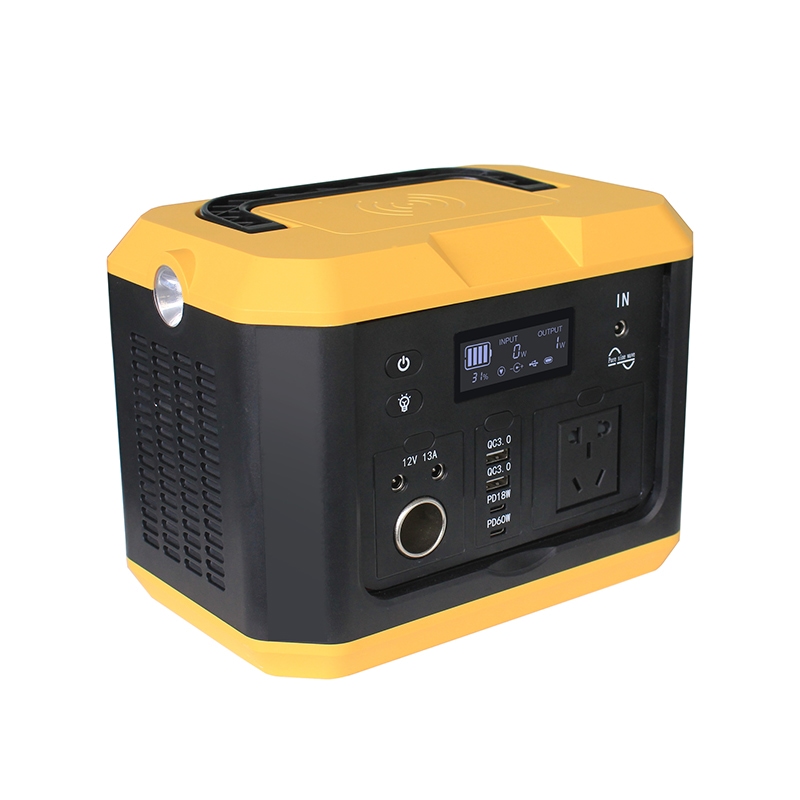
Outdoor mobile energy storage refers to portable battery units built to store and supply electricity where grid power is unavailable or unstable. Unlike fixed stationary storage, these units prioritise mobility and outdoor durability. Most integrate lithium-ion batteries, inverters, controllers and multiple output ports, supporting loads ranging from lights and electronics to sensors and field equipment.
Lithium iron phosphate (LiFePO4) cell advances have improved safety and ruggedness. Outdoor-rated models resist water, shock and wide temperature swings. They are also known as portable power stations or solar generators. A typical outdoor mobile energy storage unit relies on this battery-inverter architecture for flexible field power supply.
Key Uses in Remote and Off-Grid Applications
Mobile storage stands out for its flexibility in remote environments. Its main use cases include:
1. Remote Worksites and Construction Projects
At sites without grid access, these batteries run power tools, lighting, sensors and radios, removing reliance on noisy, polluting fuel generators.
2. Disaster Relief and Emergency Response
During outages or natural disasters, they can be rapidly deployed to run medical gear, emergency lighting and communication links for response teams.
3. Off-Grid Living and Outdoor Adventures
Van, cabin and camping users power fridges, cameras, laptops and small appliances. Paired with foldable solar panels, they can recharge independently off-grid.
4. Events and Outdoor Entertainment
Festivals, outdoor cinemas and pop-up stalls use them for sound, lighting and vendor equipment, avoiding generator refuelling and transport work.
5. Agriculture and Environmental Monitoring
Farmers power remote irrigation valves, electric fencing and sensors. Field researchers run drones, portable lab gear and data loggers during extended surveys.
6. Military and Tactical Operations
Compact battery storage supports navigation, radio and surveillance hardware, cutting the logistical burden of frequent fuel transport.
Main Benefits for Field Operations and Outdoor Activities
Battery mobile storage addresses many practical off-grid challenges:
- Clean and Quiet Operation: It runs silently with no local exhaust, suitable for camps, research zones and medical tents where noise and fumes are unacceptable.
- Easy Mobility: Handles or wheels simplify moving power supplies between locations, compared with large fixed battery banks.
- Flexible Charging Options: Compatible with wall outlets, vehicle ports and solar panels; solar charging is key for long independent field deployments.
- Stable Backup Power: Keeps critical devices operating through unexpected blackouts or mobile field work, reducing downtime risk.
- Built-In Safety Protection: Modern units include overcurrent, short-circuit and overheat safeguards. Premium versions have screens or app monitoring for power tracking.
- Lower Running Cost: Solar or stored battery power reduces ongoing spending on generator fuel and maintenance for regular field use.
- Scalable Capacity: Models range from several hundred Wh for light loads to above 10 kWh for heavy continuous use, so users can match capacity to their load size.
Comparing Mobile and Stationary Energy Storage Solutions
The core difference helps narrow your decision:
Mobile Energy Storage: Designed for transport, ruggedness and plug-and-play use. It fits dynamic scenarios such as construction, expeditions, events and emergency response.
Stationary Energy Storage: Permanently installed at homes, warehouses or telecom sites. It usually offers larger capacity and deeper integration with local solar infrastructure, yet requires professional installation and is not built for frequent moving or constant outdoor exposure.
Mobile storage is better if you need power across changing locations. Stationary systems tend to deliver more value for permanent off-grid buildings or fixed backup infrastructure.
How to Choose the Right Outdoor Mobile Energy Storage System
Evaluate these technical and practical factors before purchasing:
1. Battery Capacity and Output Power
Calculate your total load: device wattage and runtime requirements. Confirm both energy capacity (Wh) and continuous output can cover peak power safely.
2. Port and Charging Compatibility
Check that AC, DC, USB-A and USB-C ports match your equipment. Multiple ports support simultaneous powering and charging of different devices.
3. Weather Resistance and Durability
Heavy outdoor use calls for IP ratings such as IP65 or higher against dust and water. Reinforced casings and sturdy connectors support reliable performance in harsh climates.
4. Lifecycle and Battery Chemistry
LiFePO4 batteries typically exceed 2,000 charge cycles and offer better thermal safety than standard lithium cells. Match this lifespan benefit to how often you plan to use the unit.
5. Weight versus Portability
Higher capacity means heavier weight. Balance your power demand against what you can practically carry or move onsite, especially for solo fieldwork.
6. Smart Features
Bluetooth or Wi-Fi connectivity enables live power monitoring and remote diagnostics. This helps teams managing multiple units, though it is not essential for all users.
7. Expandability and Solar Integration
If off-grid self-sufficiency is a priority, select models with dedicated solar input. Some also support additional battery packs or micro-grid connections for later expansion.
These checks help you select a unit that meets current needs and adapts if your power requirements change.
FAQ: Essential Questions about Outdoor Mobile Energy Storage
What is an outdoor mobile energy storage unit?
It is a weather-resistant portable battery for outdoor power delivery, built for transport and temporary field deployment, unlike stationary home backup batteries.
How is outdoor mobile energy storage used in off-grid locations?
It supplies lighting, communications, appliances and tools where grid power is unavailable. Typical users include researchers, campers, construction and rescue teams.
What are the main benefits for field operations?
It provides silent, emissions-free power without generator drawbacks, with portability, multi-source charging, built-in safety protection and low routine maintenance.
How do I choose the right mobile energy storage for my needs?
Start from your total energy demand, then match capacity, output, port types, durability and charging flexibility. Also review manufacturer support and safety certifications.
Can I use outdoor mobile energy storage with solar panels?
Yes. Most modern units have integrated solar charge controllers and dedicated input ports for sunlight recharging during long off-grid trips.
Are there any maintenance requirements?
Maintenance is minimal compared with fuel generators: keep connectors clean, store batteries within recommended temperature ranges and apply firmware updates when released.
What’s the expected lifespan of an outdoor mobile energy storage device?
Well-made LiFePO4 units last roughly 7–10 years or over 2,000 cycles, when operated and stored following manufacturer guidance.
Future Trends in Outdoor Energy Storage
The portable battery market continues to evolve in several clear directions:
- Higher Capacity in Smaller Packages: New battery chemistry reduces weight and size, making high-energy packs easier to transport.
- Renewable Integration: Better solar efficiency and control hardware make self-sufficient off-grid setups more practical for long deployments.
- IoT and Smart Fleet Management: Cloud-connected units support fault alerts and remote monitoring for organisations operating many batteries.
- Broader Adoption: Falling costs will expand use across agriculture, environmental monitoring and outdoor event sectors.
Post time: Nov-06-2026