
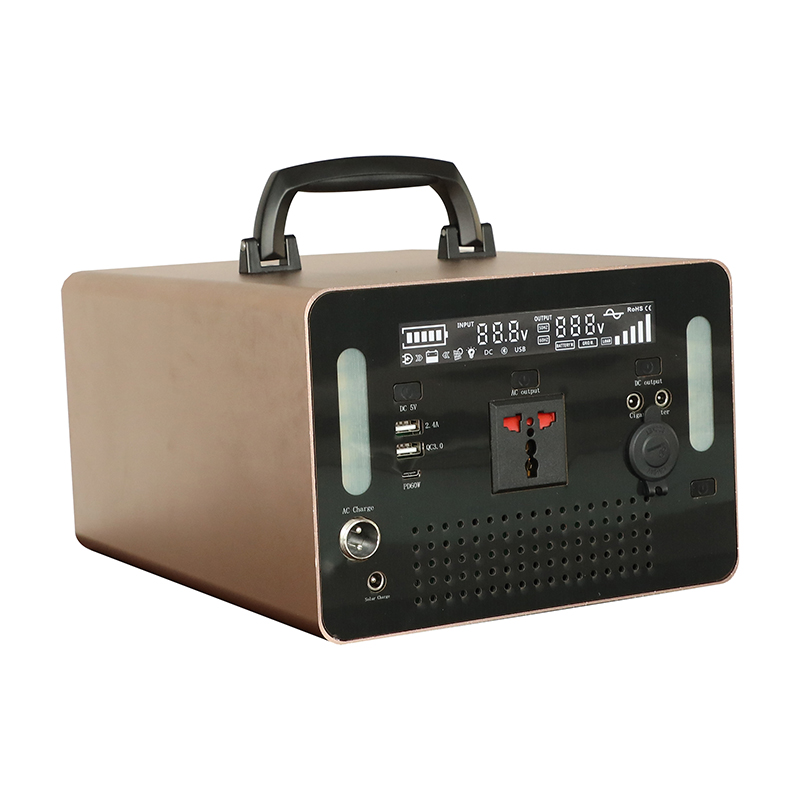
Mobile Lithium Power The energy-system is a mobile unit or vehicle-based power source that stores energy using lithium batteries for off-grid usage. It can be used to run power equipment in RVs or other vehicles, such as boats, work vehicles, campsites, during emergencies, or in difficult-to-reach work areas.
These systems include small portability lithium power stations to bigger battery banks fitted in camper vans, trailers, and portable companies. Compared to classic lead-acid batteries, lithium systems should be lighter, charge quicker, and offer a greater share of energy that can be used.
What Is Mobile Lithium Power?
A mobile lithium-ion energy storage device collects electricity in the form of DC power from various sources like electric sockets, solar panels, automobile alternators, or generators, and delivers energy through USB ports, 12V DC outputs, and AC sockets.
Typically, lithium batteries, battery management systems (BMS), charging components, safety features, and occasionally inverters are included in most systems. An inverter transforms battery power into standard AC power for running tools, computers, and other devices.
Lithium iron phosphate (LiFePO4) batteries are commonly seen in many deep cycle systems because this type of chemistry provides great cycle life performance and the necessary safety features for mobile uses.
Key Benefits Explained
Mobile lithium power offers practical advantages for users needing reliable electricity on the move. Lithium batteries provide greater usable capacity than equivalent lead-acid batteries, allowing deeper discharges with less wear. They are also more compact and lightweight, which is especially valuable in RVs, boats, vans, and portable equipment where space and weight matter. Additionally, a quality LiFePO4 battery delivers a long lifespan with many charge cycles, reducing long-term replacement costs.
Lithium systems charge quickly from solar, shore power, generators, or vehicle charging systems, and they maintain stable voltage output—important for electronics and appliance performance. Unlike fuel-powered generators, lithium power stations operate silently and produce no exhaust fumes, making them ideal for indoor backup, campgrounds, events, and noise-sensitive workplaces.
Common Applications
Portable lithium power is widely used for camping, overlanding, and recreation, powering lights, portable fridges, cameras, laptops, drones, fans, and CPAP machines. In RVs and camper vans, lithium batteries run refrigerators, water pumps, lights, routers, TVs, and small kitchen appliances, with solar charging extending off-grid time. On boats, these systems power navigation equipment, cabin lighting, fish finders, refrigeration, and electric motors, provided marine-rated components are used to withstand moisture and vibration.
Field service teams, construction crews, mobile healthcare units, and event suppliers use lithium power for tools, communication devices, payment terminals, screens, lighting, and cooling. During power outages, a lithium battery generator can keep essential equipment running—such as phones, routers, lights, fans, and certain medical devices—provided the unit has sufficient capacity for critical loads.
Choosing the Right System
Start by listing all appliances you need to power and calculate energy consumption by multiplying each appliance’s wattage by its running hours. For example, a 60W refrigerator running 10 hours uses about 600Wh. Add a buffer for inverter losses and unexpected consumption. The inverter should handle total running wattage and inrush from motors or compressors, and a pure sine wave inverter is recommended for electronics.
Consider charging options—solar for off-grid use, while shore power and DC-to-DC vehicle charging suit RVs, boats, and work vehicles. Choose products with a built-in battery management system (BMS), solid warranty, relevant certifications, and temperature protection. For cold climates, check if the battery supports low-temperature charging or has built-in heating.
FAQ
What is mobile lithium power used for?
It serves the purpose of providing portable energy for trips, outdoor activities, telecommuting, small business ventures, sailing, motorhomes, and solution to any emergencies.
How long will a lithium power station run?
Take the effective watt-hour power capacity and divide it by the usage of the electricity-powered item in question. For every 1,000Wh unit working on a 100W device you may expect to power it for almost 8 hours, though not all of that time is useful after subtracting the losses.
Can lithium power systems be charged with solar panels?
It is indeed crucial to check compatibility between the solar panel voltage and connector and the power station or charge controller input rating.
To summarize, mobile lithium power is a flexible, quiet, and reliable means of power supply for jobs and living away from a permanent outlet. By selecting an appropriate battery capacity, inverter capacity, and charging method, one can obtain a dependable source of energy at any location.
Post time: Sep-01-2026