
In today’s world, the need for efficient, reliable, and durable switching devices is more pronounced than ever. One such device that has gained significant traction in various industries is the Single Phase Solid State Relay (SSR). This technology has revolutionized how electrical circuits are controlled, offering distinct advantages over traditional electromechanical relays. In this article, we will explore the types of single phase solid state relays, their key features, common applications, and how to choose the right one for your needs.
Types of Single Phase Solid State Relays
Single phase solid state relays come in various types, primarily categorized based on their operational characteristics and control methods. The most common types include:
1. Zero-Crossing SSRs: These relays activate when the AC waveform crosses zero volts, minimizing electrical noise and transients, thus protecting connected loads.
2. Random Turn-On SSRs: Unlike zero-crossing relays, these can turn on at any point in the AC cycle, allowing for more flexible control applications.
3. Phase-Control SSRs: These relays regulate power output by controlling the phase angle of the AC waveform, making them ideal for applications requiring variable speed or temperature adjustments.
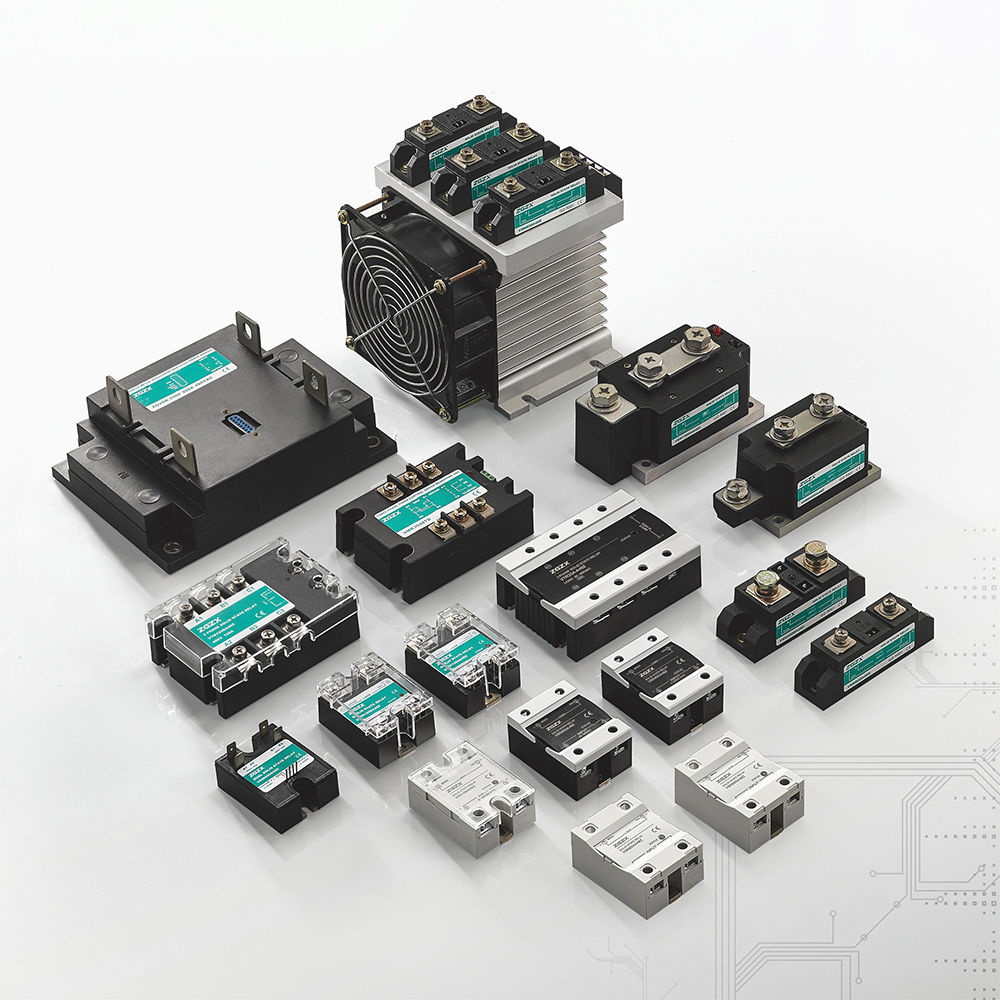
4. Radiator Mounted SSRs: Designed for high current applications, these relays often feature heat sinks to dissipate heat effectively.
Key Features of Single Phase SSRs
Single phase solid state relays boast several key features that enhance their performance and user experience:
1. Longevity: With no moving parts, SSRs typically last longer than mechanical relays, reducing downtime and maintenance costs.
2. Faster Switching Speeds: Solid state relays can switch on and off more quickly, allowing for precise control in automated systems.
3. Compact Size: Their small form factor makes them easy to integrate into various systems, saving space in control panels.
4. Electrical Isolation: SSRs provide excellent isolation between the control and load sides, ensuring safety during operation.
5. Low Noise Operation: Unlike mechanical relays, SSRs operate silently, making them suitable for noise-sensitive environments.
Common Applications of Single Phase SSRs
Single phase solid state relays find applications across a multitude of industries, such as:
1. Heating Control: They are widely used in temperature control systems, such as ovens and HVAC applications, allowing for precise heating management.
2. Industrial Automation: SSRs are crucial in controlling motors, pumps, and conveyors, providing reliable performance under demanding conditions.
3. Lighting Control: Often employed in stage and architectural lighting, they enable dimming and switching of high-powered lights without flicker.
4. Home Appliances: SSRs are increasingly used in household products like dishwashers and washing machines for efficient operation.
How to Choose the Right Single Phase SSR
When selecting a single phase solid state relay, consider the following factors:
1. Load Type: Determine whether the load is resistive, inductive, or capacitive, as this affects the relay’s choice and configuration.
2. Current Rating: Ensure the SSR can handle the maximum load current, factoring in a safety margin.
3. Voltage Rating: The relay must match or exceed the operational voltage of your system for safe and effective operation.
4. Control Voltage: Check the input control voltage requirements to ensure compatibility with your control systems.
5. Heat Dissipation: Consider additional cooling measures or heat sink requirements for high-power applications to maintain optimal performance.
In conclusion, understanding the types, features, and applications of single phase solid state relays empowers engineers and system designers to make informed decisions that enhance operational efficiency and reliability. Whether you are looking to improve heating systems, automate industrial processes, or upgrade home appliances, selecting the right SSR can make all the difference in achieving optimal performance.
Post time: Aug-27-2026