
The Portable Energy Systems are now becoming crucial devices in a world that is increasingly dominated by sustainable energy. The systems ensures efficient linkages of energy with the means of exploiting it wisely. The systems play a big role in harnessing sustainable power for purposes of outdoor enjoyment, protection from disasters and the pursuit of sustainable living environment. Thus, when you are about to start a journey, no matter if you are camping, tailgating or getting ready for unexpected blackouts, it is essential to understand specifications and important features of the portable energy storage systems.
Key Specs of Portable Energy Systems
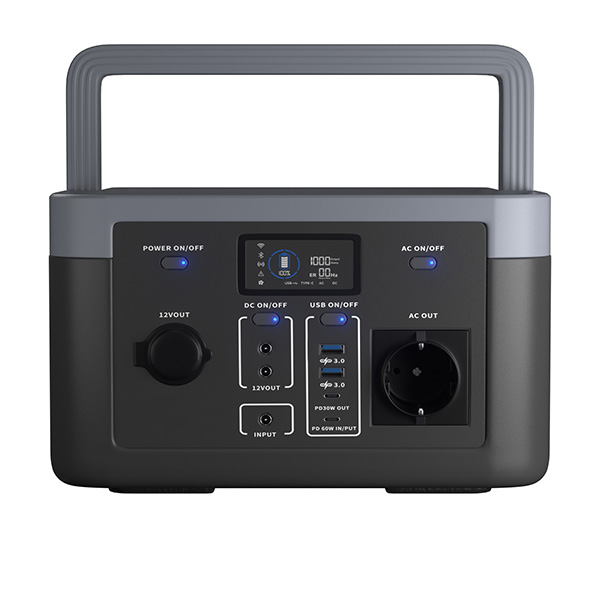
Getting familiar with the features of Portable Energy Systems can be beneficial in selecting the best type of system. Consider this system as an example: the MES_300W_320WH_P.
Battery Capacity: The MES_300W_320WH_P is equipped with a battery pack with a voltage of 12.8V 25AH which is rated at 320Wh of energy storage capacity. This amount of energy is very suitable for use with equipment in prolonged outdoor events.
Output Ports: This system is equipped with diverse output options:
- AC Output Voltage: AC220V±10% or AC110V±10%, accommodating global voltage standards.
- Frequency: 50Hz/60Hz, ensuring compatibility with different appliances.
- The AC output power is 300W with a peak power of 600W, and the output current is a pure sine wave that allows for operation of sensitive equipment.
- USB Output: QC3.0 /QC2.0/AFC/FCP/BC1.2/APPLE, USB*2pcs QC18W.
- C1 Type Output: PD 60W, C2 Type Output: PD 30W for fast charging modern gadgets.
- DC Output: 12V/10A-120W (maximum), with a cigarette lighter output via DC5521.
Weight and Portability: Because the chief goal is portability, the system has to be light with either carrying handles or some case. Usually, portable solar energy systems weigh from 5 to 30 pounds, making them easy to transport.
Charging Options: Charging of certain systems such as the MES_300W_320WH_P is accomplished through car chargers, AC outlets, and solar panels. This results in high adaptability. You can also look for a model that supports solar charging if you intend to spend time outdoors.
Durability: The portable energy systems must be resilient and durable for different environments. Seek waterproof or shockproof designs if you will use them on your journeys.
How to Choose a Portable Energy System
When choosing a Portable Energy System, you should evaluate your actual needs. Here are some guides:
The first step is to determine how much electricity you’ll be needing. You must identify the devices you wish to power and sum up their power requirements in watts to arrive at the amount of battery capacity you will need.
Consider the specific instances in which you intend to use the product. Think about whether you plan to use it for camping purposes at home, for backup in the event of an emergency or for outdoor work purposes, as this will affect your choice of features.
3. Assess Speed of Charging: Depending on how fast you need your system to be charged, it is worth considering the options available that have fast charging features, particularly where the solar charging comes into play.
4. Verify Feedback: Feedback from consumers provides insight into how effective and reliable the product is. It is smart to study reviews written by people with comparable needs.
Portable Energy System Comparison Guide
There are several brands in the market, thus making comparison harder. Here, we provide general overview of some well-known portable power systems considering wattage, features, and prices:
Jackery Explorer Series: Famous for its sturdy design and flexible charging options. Perfect for camping and household use, with a power range from 160Wh to 1000Wh.
Goal Zero Yeti Series: Famous for its solar oriented characteristics and powerful monitoring applications. Ideal for solar fans wanting to incorporate energy creating capabilities.
Anker PowerHouse Series: Its portability and low weight with the facility of high-efficiency charging ports make it the top option for travelers on short trips.
FAQs about Portable Energy Systems
Q: Can I use a Portable Energy System indoors?
A: Yes, the indoor usage of these systems is safe since it does not emit toxic gasses, which differentiates it from gas-powered generators.
Q: How long will a Portable Energy System last?
A: Lifespan differs based on the type of battery, the amount of time it will be used, and how it is looked after, however, most lithium batteries have a lifespan of many years with good maintenance.
Q: Are Portable Energy Systems waterproof?
A: Although a few may be made to be water-resistant, it is essential to verify the product specifications to guarantee that they can cater to your outdoor requirements.
In short, the process of making your way through the world of Portable Energy Systems becomes much easier when you know what specifications you’ll want to take into consideration, how to assess your energy needs, and how to compare products. For example, systems like the MES_300W_320WH_P offer the right mixture of power and versatility you need to create a system that meets your needs, which could be something like adventure, preparedness, or finding a greener energy solution.
Post time: Aug-25-2026